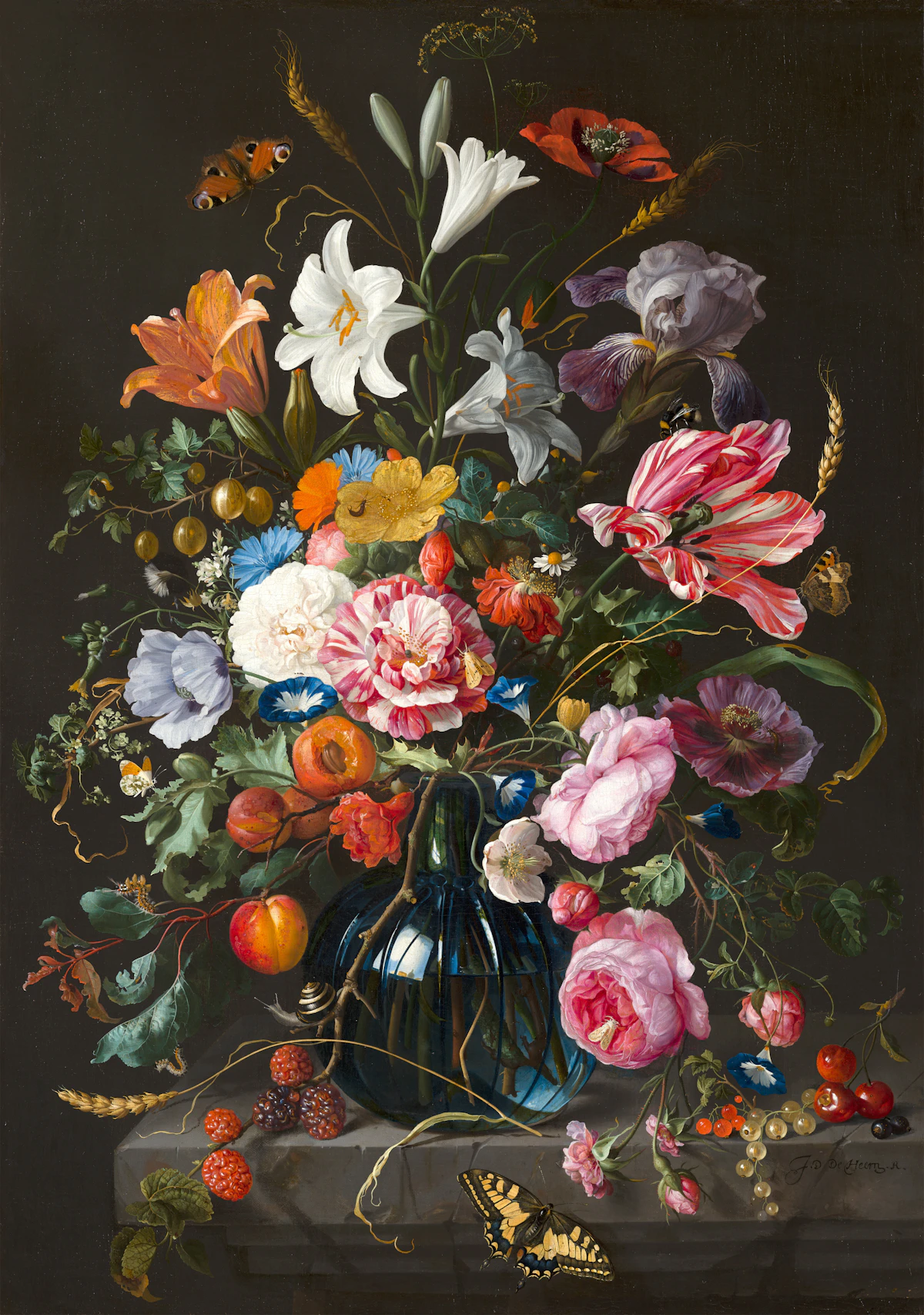
Across the art corridors of Copenhagen, Aarhus, and Aalborg, a distinct aesthetic renaissance is unfolding. The bold primary palettes, screen-printed textures, and consumer-criticism motifs of the post-war "boomer" era are reclaiming space in Denmark’s foremost contemporary spaces.
What defines the Danish iteration of pop-art ("Boomer-popkunst") is its departure from hyper-commercialized American icons toward a nuanced exploration of Scandinavian welfare-state materialism, minimalist furniture graphics, and vibrant printmaking technique. Rather than worshipping mass production, Danish pop-artists leveraged vivid silkscreen overlays to critique the rapid urbanization of Nordic cities during the 1960s and 70s.
"The canvas of the late 20th century was not merely decorative; it was a loud, saturated confrontation with modern Scandinavian identity."
Preserving Mechanical Craft in a Digital Era
Contemporary curators are documenting a profound shift: young gallery attendees are increasingly drawn to original analog processes. Halftone dot patterns, manual squeegee transfers, and hand-cut stencil layers represent a physical authenticity that purely digital algorithms cannot replicate.
This news journal documents the institutions, private collections, and independent studios maintaining these classical pop-art methods across Denmark, ensuring that the legacy of high-contrast editorial art remains accessible under strict media open-access standards.